

The Ultimate Guide to Creating an Effective Exercise Cycle for Home
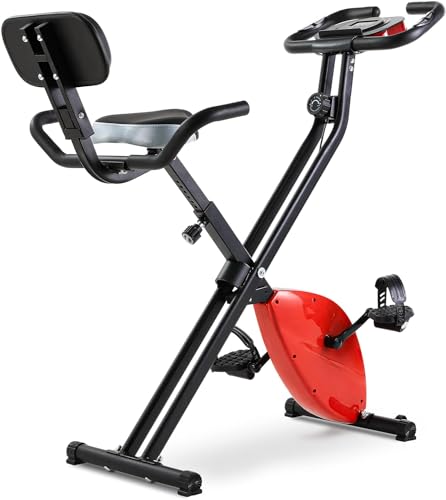
In the fast-paced world these days, maintaining a healthy lifestyle has actually ended up being more crucial than ever. For lots of, the allure of a home gym setup is irresistible, offering the benefit required to fit exercises into hectic schedules. Amongst the different exercise equipment offered, a stationary exercise bike sticks out as a versatile and reliable tool for home physical fitness. This post looks into the benefits of utilizing an exercise bike at home, how to choose the best one, and provides a comprehensive guide to creating a well-rounded exercise cycle regimen that can be easily incorporated into day-to-day life.
The Benefits of Home Cycling
Cycling in your home offers various benefits over standard fitness center setups or outdoor biking. Here are some crucial benefits:
Convenience: No need to take a trip to a gym, conserving time and energy.
Weather Condition Independence: Exercise despite outdoor conditions.
Flexibility: Customize your workout to fit your schedule and physical fitness goals.
Low Impact: Gentle on joints, making it suitable for any ages and fitness levels.
Cardiovascular Benefits: Improve heart health and increase endurance.
she said : Reduces tension and enhances state of mind through regular physical activity.
Calorie Burning: Effective for weight loss and management.
Picking the Right Exercise Bike
Selecting the proper exercise bike is essential to make sure a comfy and reliable exercise experience. Here are some elements to think about:
Type of Bike
Upright Bike: Resembles a standard roadway bike and uses a more intense exercise.
Recumbent Bike: Provides back support and is perfect for those with neck and back pain or mobility problems.
Spin Bike: Designed for high-intensity period training (HIIT) and uses a more vibrant workout.
Resistance Mechanism
Magnetic Resistance: Smooth and quiet, permitting for accurate resistance adjustments.
Fricton Resistance: Less pricey but can be loud and less exact.
Air Resistance: Uses a fan to develop resistance, providing a natural biking feel.
Adjustability
Seat and Handlebar: Ensure they can be changed to fit your body easily.
Resistance Levels: Look for a bike with a vast array of resistance settings.
Additional Features
Heart Rate Monitor: Helps track fitness development.
LCD Display: Provides workout data like speed, distance, and calories burned.
Integrated Workouts: Pre-programmed regimens for range and benefit.
Spending plan
Rate Range: Determine your budget and look for bikes that provide the very best worth for your money.
Establishing Your Home Gym
Developing a devoted space for your stationary bicycle can substantially improve your workout experience. Here are some suggestions:
Area
Quiet Area: Choose a space where you can exercise without distractions.
Well-Ventilated: Ensure the area is well-ventilated to remain comfortable during intense sessions.
Floor covering
Non-Slip Mats: Use non-slip mats to prevent the bike from moving and to safeguard the floor.
Cushioning: Consider a cushioned mat to lower joint effect.
Equipment
Bike Stand: For upright bikes, a stand can stabilize the bike.
Water Bottle Holder: Stay hydrated with a holder within simple reach.
Towel Rack: Keep a towel nearby to clean away sweat.
Home entertainment
Television or Tablet: Mount a screen to see workouts or home entertainment throughout your sessions.
Speakers: Connect a set of speakers to delight in music or podcasts.
Developing a Home Cycling Routine
A well-structured cycling routine can help you accomplish your physical fitness objectives efficiently. Here's a detailed guide to creating an effective home cycling workout:
Warm-Up (5-10 minutes).
Low Resistance: Start with a mild ride to warm up your muscles.
Dynamic Stretches: Include leg swings, hip circles, and arm circles to increase flexibility.
Main Workout (20-60 minutes).
Steady-State Cycling: Maintain a moderate pace and resistance for a continual cardio exercise.
Period Training: Alternate in between high-intensity sprints and low-intensity recovery durations for a more tough session.
Hill Climbs: Increase resistance to simulate riding uphill, appealing various muscle groups.
Resistance Training: Use the bike's resistance to build muscle strength, concentrating on leg and core muscles.
Cool Down (5-10 minutes).
Low Resistance: Gradually reduce strength to cool off your heart rate.
Static Stretches: Hold stretches for 15-30 seconds to enhance versatility and decrease muscle discomfort.
Frequency and Duration.
Beginners: Aim for 2-3 sessions per week, each lasting 20-30 minutes.
Intermediate: Increase to 3-4 sessions each week, 30-45 minutes per session.
Advanced: Aim for 4-5 sessions weekly, 45-60 minutes per session.
Sample Home Cycling Workouts.
Here are two sample exercises to get you started:.
Newbie Steady-State Workout.
Warm-Up: 5 minutes at low resistance.
Main Workout: 20 minutes at moderate resistance.
Cool off: 5 minutes at low resistance.
Overall Duration: 30 minutes.
Intermediate Interval Training Workout.
Warm-Up: 10 minutes at low resistance.
Main Workout: 30 minutes alternating 1 minute of high resistance with 2 minutes of low resistance.
Cool Down: 10 minutes at low resistance.
Overall Duration: 50 minutes.
FAQs.
Q: Can I use a stationary bicycle if I have knee problems? A: Yes, cycling is a low-impact activity that can be gentle on the knees. However, it's crucial to adjust the seat and handlebars to ensure proper posture and positioning to avoid pressure.
Q: How frequently should I clean my exercise bike? A: It's advised to clean your exercise bike after each usage to preserve hygiene and prevent rust. Utilize a wet cloth to wipe down the seat, handlebars, and frame. For deeper cleansing, describe the maker's guidelines.
Q: Can I utilize an exercise bike for weight reduction? A: Absolutely! Cycling burns calories and can be an effective part of a weight loss strategy. Combine it with a balanced diet plan and other kinds of exercise for optimal results.
Q: Do I require special clothes to utilize an exercise bike? A: While not strictly essential, using comfy, moisture-wicking clothes can enhance your exercise experience. Biking shorts and a moisture-wicking top are good choices.
Q: Can I use my stationary bicycle for strength training? A: Yes, by utilizing higher resistance levels, you can engage your leg and core muscles, building strength and endurance. Include resistance training into your regimen for a more detailed workout.
Conclusion.
An exercise bike is an important addition to any home health club, offering a series of benefits from convenience to low-impact workouts. By picking the right bike, establishing a comfortable space, and following a structured regimen, you can accomplish your physical fitness objectives and maintain a healthy lifestyle from the comfort of your home. Whether you're a novice or an innovative bicyclist, there's a workout strategy that can assist you reach your objectives and delight in the many benefits of home cycling.
Additional Tips.
Stay Motivated: Set attainable goals and track your progress.
Mix It Up: Vary your workouts to prevent plateaus and keep things fascinating.
Stay Safe: Always warm up and cool off to avoid injuries.
Speak with a Professional: If you have any health concerns, consult a fitness professional or doctor before starting a brand-new exercise routine.
By following these guidelines, you can produce a rewarding and reliable home biking routine that fits seamlessly into your every day life. Happy cycling!